This post may contain affiliate links to products I use and highly recommend. You can read my full disclosure . As an Amazon Associate I earn from qualifying purchases.
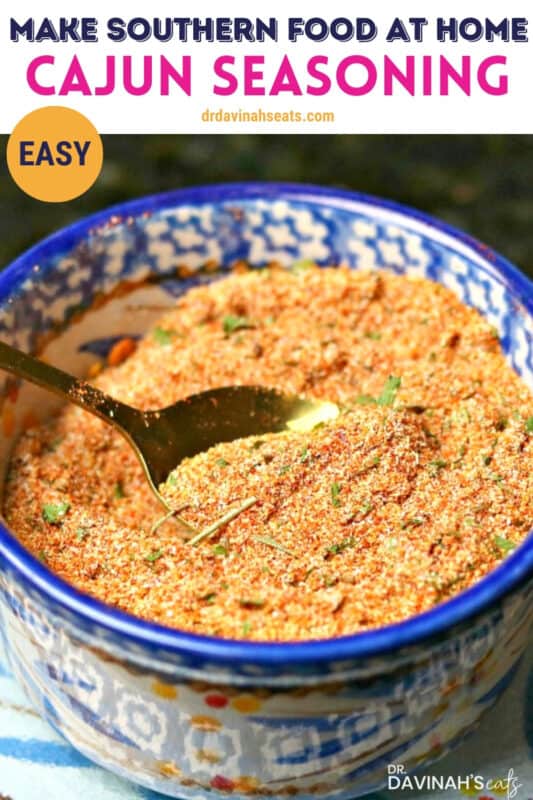
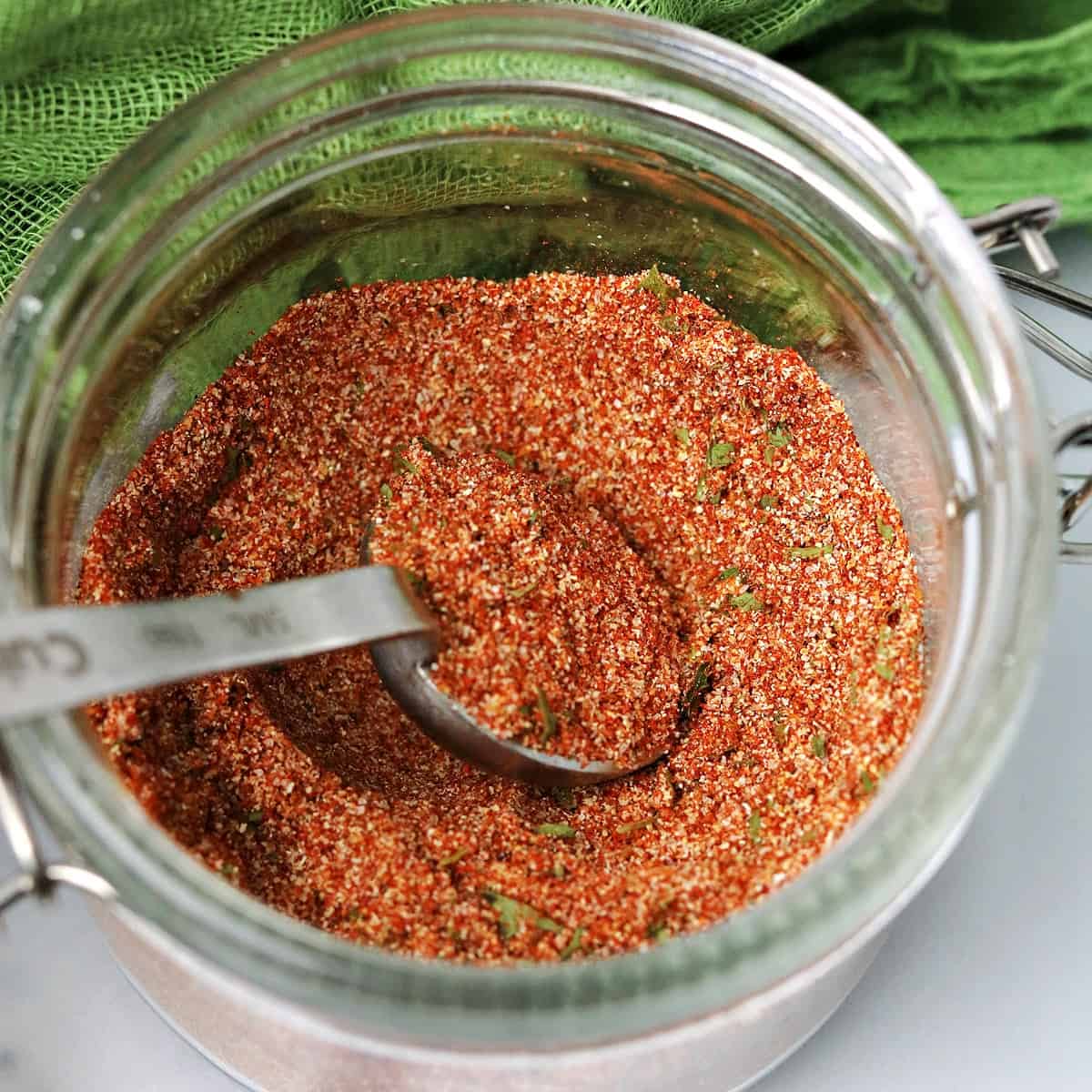
This Cajun seasoning recipe is an easy way to add bold, smoky, peppery flavor to chicken, shrimp, fish, vegetables, and more. It comes together with simple pantry spices, so it is easy to mix up a jar and keep it ready for busy nights.
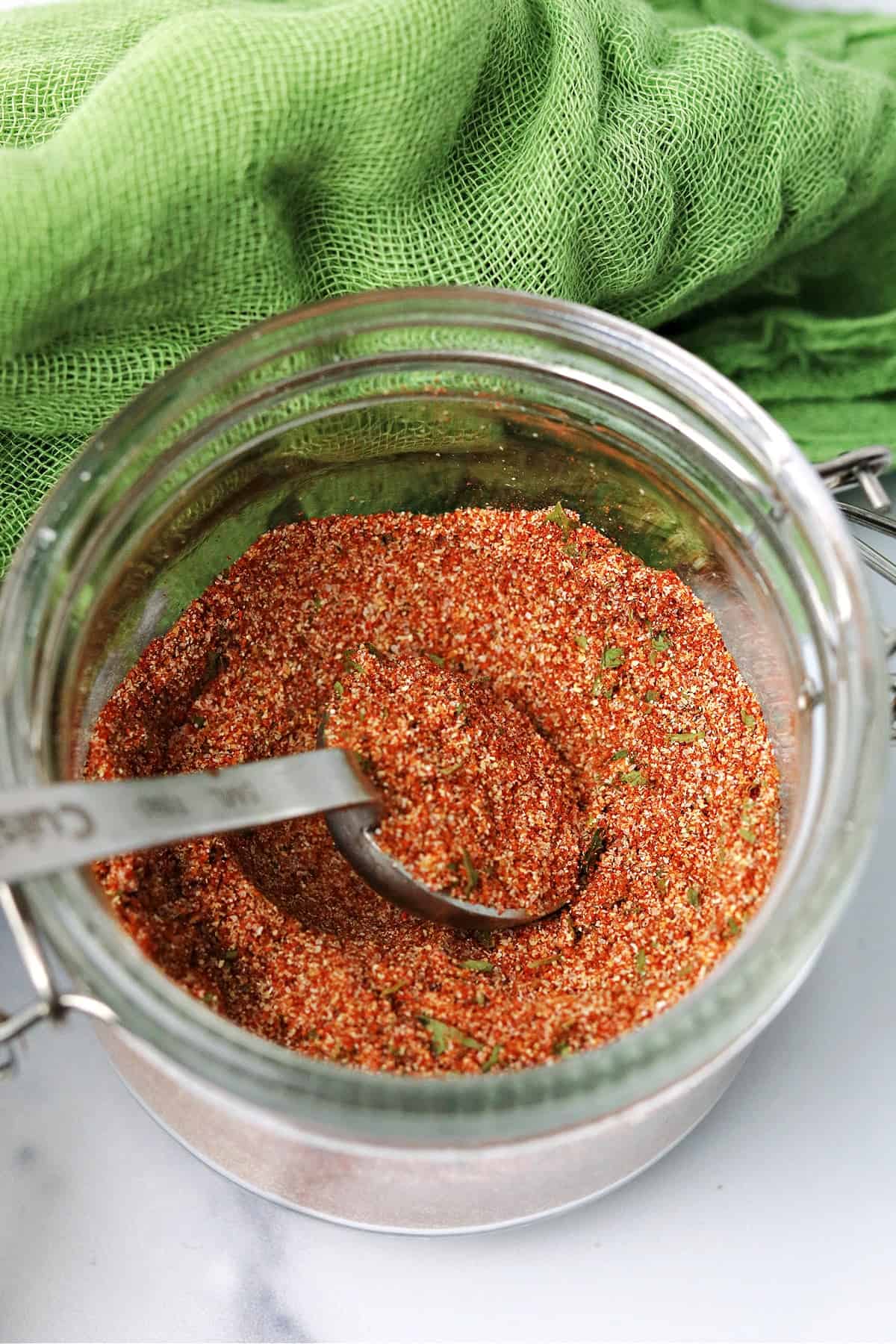
I first shared this blend in one of my Cajun-style shrimp recipes, shrimp and cauliflower grits, but I use it for much more than shrimp. This Cajun seasoning is an easy one to keep on hand when dinner needs more flavor without adding extra steps. Try it on vegetables, Lemon Butter Baked Salmon, hearty soups like my Slow Cooker Ham and Bean Soup, or dry rub chicken breasts.
What Is Cajun Seasoning?
Cajun seasoning is a bold spice blend used to season meat, seafood, vegetables, and other savory dishes. It usually has a smoky, savory, peppery flavor with a little heat.
Why You’ll Want to Keep This Cajun Seasoning on Hand
- Useful in lots of meals: This Cajun seasoning works well on shrimp, chicken, fish, wings, and vegetables.
- Big flavor with simple spices: This blend adds bold flavor without needing a long list of ingredients.
- Easy to mix in minutes: Once you measure the spices, all you have to do is stir or shake.
- Simple to adjust: You can keep it mild or add more cayenne if you like more heat.
Ingredients You’ll Need
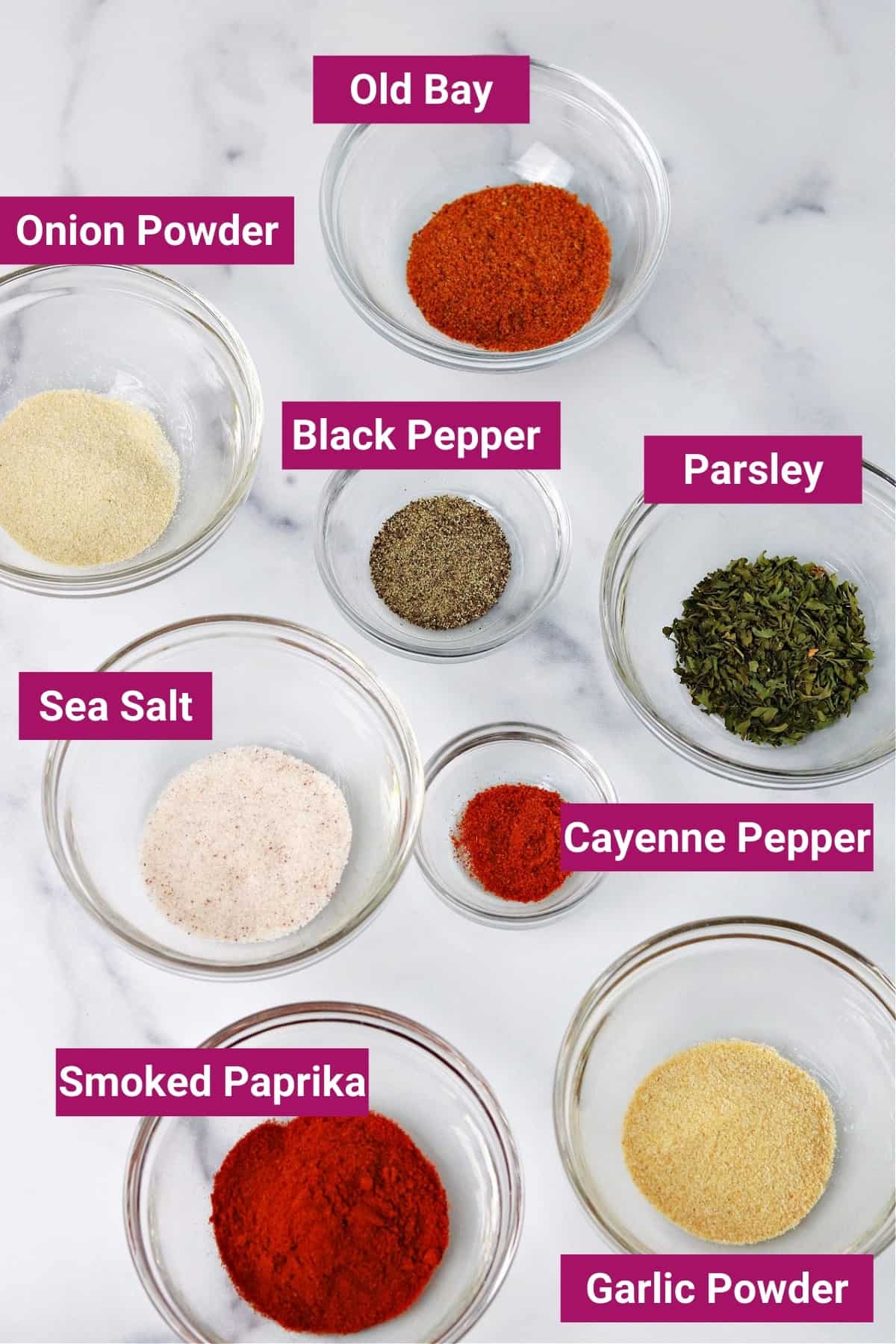
This cajun seasoning recipe uses simple pantry spices to make a smoky, savory, peppery blend with a little heat.
- Smoked paprika: Adds smoky flavor and gives the blend its deep color.
- Garlic powder: Adds savory flavor throughout the mix.
- Onion powder: Helps round out the blend.
- Old Bay seasoning: Adds extra savory depth. You can use store-bought Old Bay or my Old Bay seasoning recipe.
- Black pepper: Helps give the seasoning its peppery flavor.
- Salt: Helps all of the flavors stand out.
- Dried parsley: Adds a light herby flavor.
- Cayenne pepper: Adds heat. You can use more or less depending on your taste.
How to Make Cajun Seasoning
Making Cajun seasoning at home is simple and only takes a few minutes.
Add the spices
Measure the spices into a small bowl or jar.
SAVE THIS RECIPE
Mix and store
Stir or shake until everything is well mixed, then store it in an airtight container in a cool, dry place.
How to Use Cajun Seasoning
You can use this Cajun seasoning anywhere you want a savory, peppery kick.
- Chicken, shrimp, or fish: Sprinkle it on before cooking. I especially like it on Cajun chicken thighs.
- Vegetables: Toss them with oil and seasoning before roasting, sautéing, or air frying.
- Sauces and dips: Stir in a little, taste, then add more if you want a stronger Cajun flavor.
- Want it hotter? Add a little extra cayenne.
This homemade blend has less salt than many store-bought Cajun seasonings, so you may want to use a little more depending on the dish.
More Ways to Use It
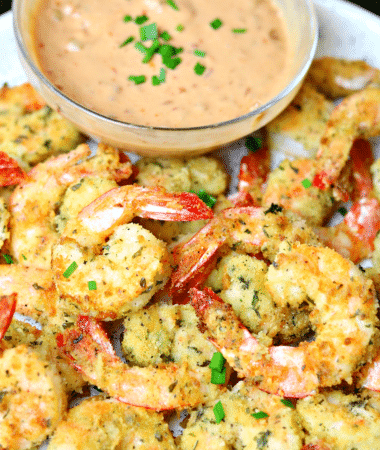
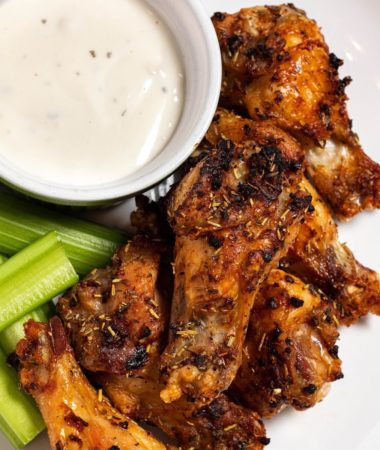
Once you have a jar mixed, use it in Cajun Shrimp Alfredo, Air Fryer Cajun Shrimp, Air Fryer Cajun Wings, Ham and Bean Soup in the slow cooker, or Cauliflower Rice Jambalaya. It also works well when you just want to season a simple dinner like Sheet Pan Sausages and Veggies.
How to Store Homemade Cajun Seasoning
Store your Cajun seasoning in a jar or container with a tight lid in a cool, dry place. For the best flavor, use it within 6 months.
FAQ
It can be, but that depends on how much cayenne is in the blend. This version has a little heat, and you can easily adjust it.
A good starting point is about 1 tablespoon per pound of meat or seafood. You can add more from there if needed.
Yes. This cajun seasoning recipe is great for making ahead because you can mix it once and use it in different meals later.
No. Old Bay is just one ingredient in this blend and adds extra savory depth. This post is for a full Cajun seasoning blend you can use on proteins, vegetables, and more.
No. They are similar, but Cajun seasoning is usually more pepper-forward, while Creole seasoning often includes more herbs and has a slightly different flavor balance.
No. Blackened seasoning is often a little bolder and is commonly used to create a dark crust on fish, chicken, or steak cooked over high heat.
More Seasoning Recipes to Try
If you like making your own spice blends, you might also enjoy Ranch Seasoning, Salmon Seasoning, Keto Taco Seasoning, Fajita Seasoning, Creole Seasoning, and Blackened Seasoning.
If you try this recipe, please stop back and leave it a star rating and/or a review in the comments. Stay connected & share photos of your creations with me & others on Instagram, Facebook, and Pinterest!
Cajun Seasoning Recipe
Use DRDAVINAHS at checkout to save on some equipment & ingredients!
Recommended Equipment
Ingredients
- 4 tsp Smoked Paprika
- 2 tsp Old Bay seasoning
- 2 tsp Natural Ancient Sea Salt
- 2 tsp Onion Powder
- 2 tsp Garlic Powder
- 2 tsp Dried Parsley
- ½ tsp Black Pepper
- ¼ tsp Cayenne Pepper, optional
Instructions
- Add all of the spices to a glass jar
- Mix the spices and store them in an air-tight container for up to 6 months
SAVE THIS RECIPE
Recipe Notes
- Use spices that still smell fresh: If your spices have been sitting in the cabinet for a long time, the blend may taste flat.
- Shake the jar before using it: Some spices settle to the bottom, so a quick shake helps mix everything back together.
- Start small, then add more: Cajun seasoning can be bold, so it is easier to add more than to fix a dish that is too heavily seasoned.
- Add more cayenne if you want more heat: A little goes a long way, so add small amounts until it tastes right to you.
- Taste your food before adding extra salt: This homemade blend is not as salty as some store-bought seasonings, so you may want to adjust at the end.
- Use it on more than meat or seafood: It is also good on roasted potatoes, fries, corn, and vegetables.
- Keep it in a jar with a tight lid: That helps the seasoning stay fresh longer.
- Store it away from heat and steam: A cool, dry spot like a pantry or cabinet works best.
- Make extra if you use Cajun seasoning often: It is nice to have ready for quick chicken, shrimp, fish, and vegetable meals.
Nutrition Details
The nutrition facts come from entering the recipe ingredients into a database of food ingredients. They may vary for any recipe based on the exact product used.




ashok says
Thanks For sharing this Great Recipe. My Family Loved it. I am definitely sharing this recipe and this website with my friend. Hope they also love it. Thank you again for sharing such a great recipe.
Davinah says
Glad that you all enjoyed it! Thanks!