
This post may contain affiliate links to products I use and highly recommend. You can read my full disclosure . As an Amazon Associate I earn from qualifying purchases.
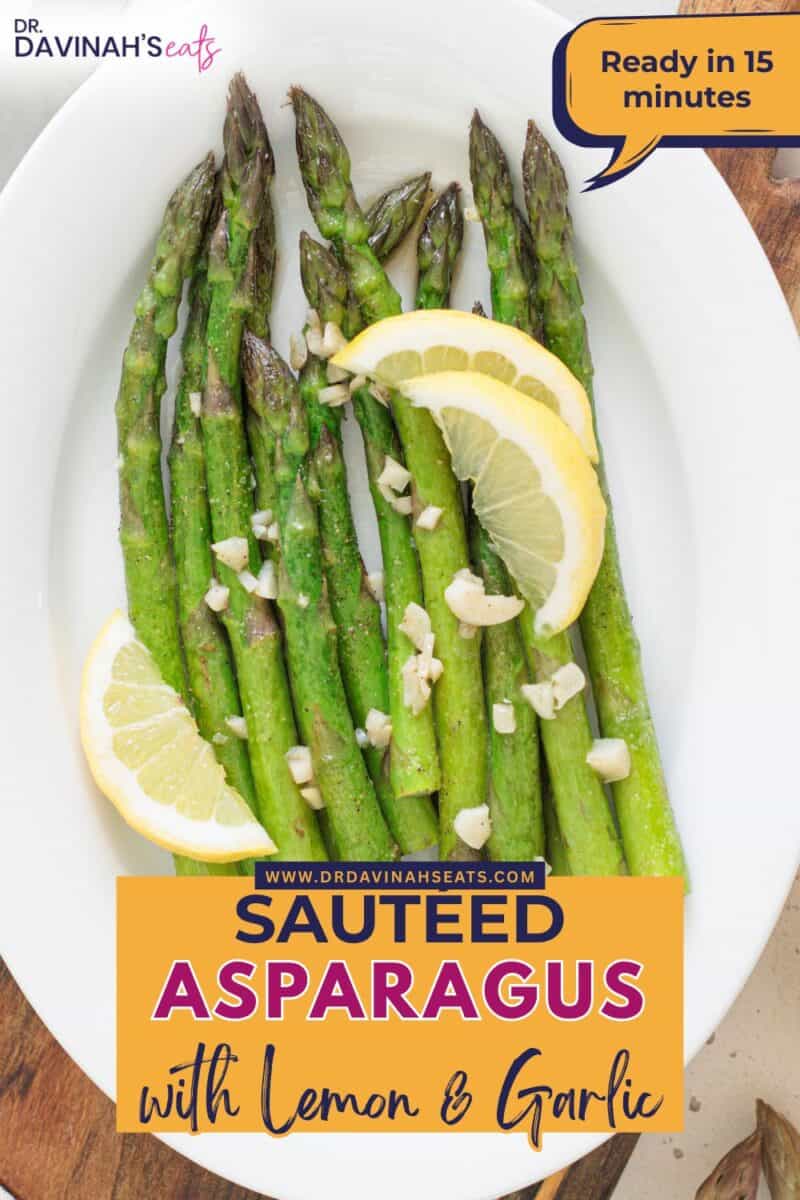
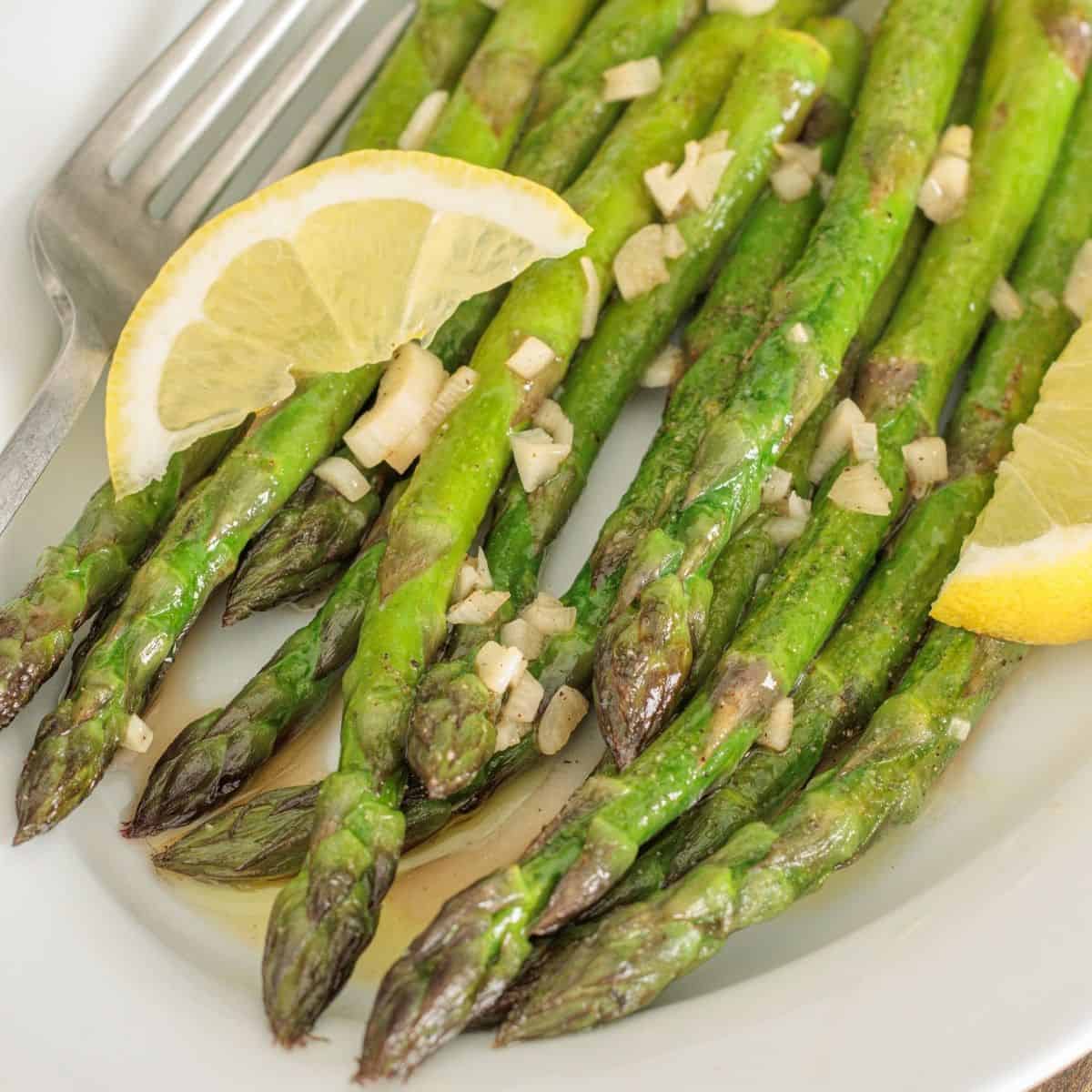
Sautéed Asparagus is one of the easiest ways to get a vegetable on the table fast. The asparagus cooks in a hot skillet until it turns bright green with a few browned spots, then gets finished with butter, garlic, and lemon for a side dish that tastes fresh and simple in the best way.
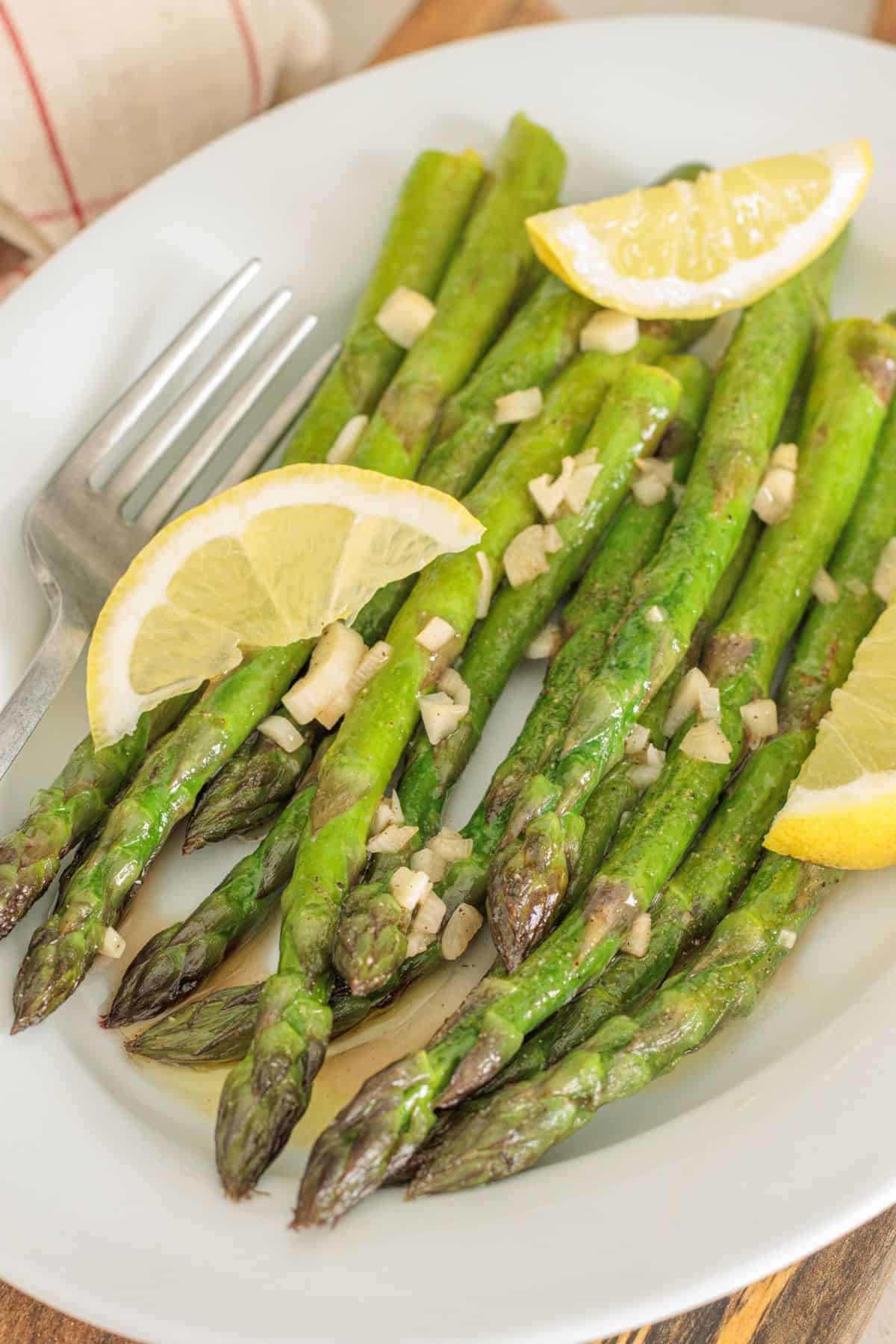
This sautéed asparagus recipe is one of the side dishes I make when dinner needs something fast, fresh, and cooked right before serving. I especially like it with Seared Scallops and Cauliflower Rice Risotto because it balances the creamy sauce so well, or with Air Fryer Steak and Pan Seared Halibut when I want to keep the meal simple with a protein and vegetable. The butter, garlic, and lemon make it easy to pair with all kinds of dinners without pulling attention away from the main dish.
Why This Sautéed Asparagus Is Worth Making
- It’s fast: This is a true weeknight side dish. Once the asparagus is trimmed, the rest moves quickly.
- The flavor stays fresh: Garlic, butter, and lemon give the asparagus plenty of flavor without covering it up.
- It goes with a lot of dinners: Sautéed asparagus works with chicken, steak, fish, and simple grain bowls, so it’s easy to fit into whatever you’re already making.
What You’ll Need
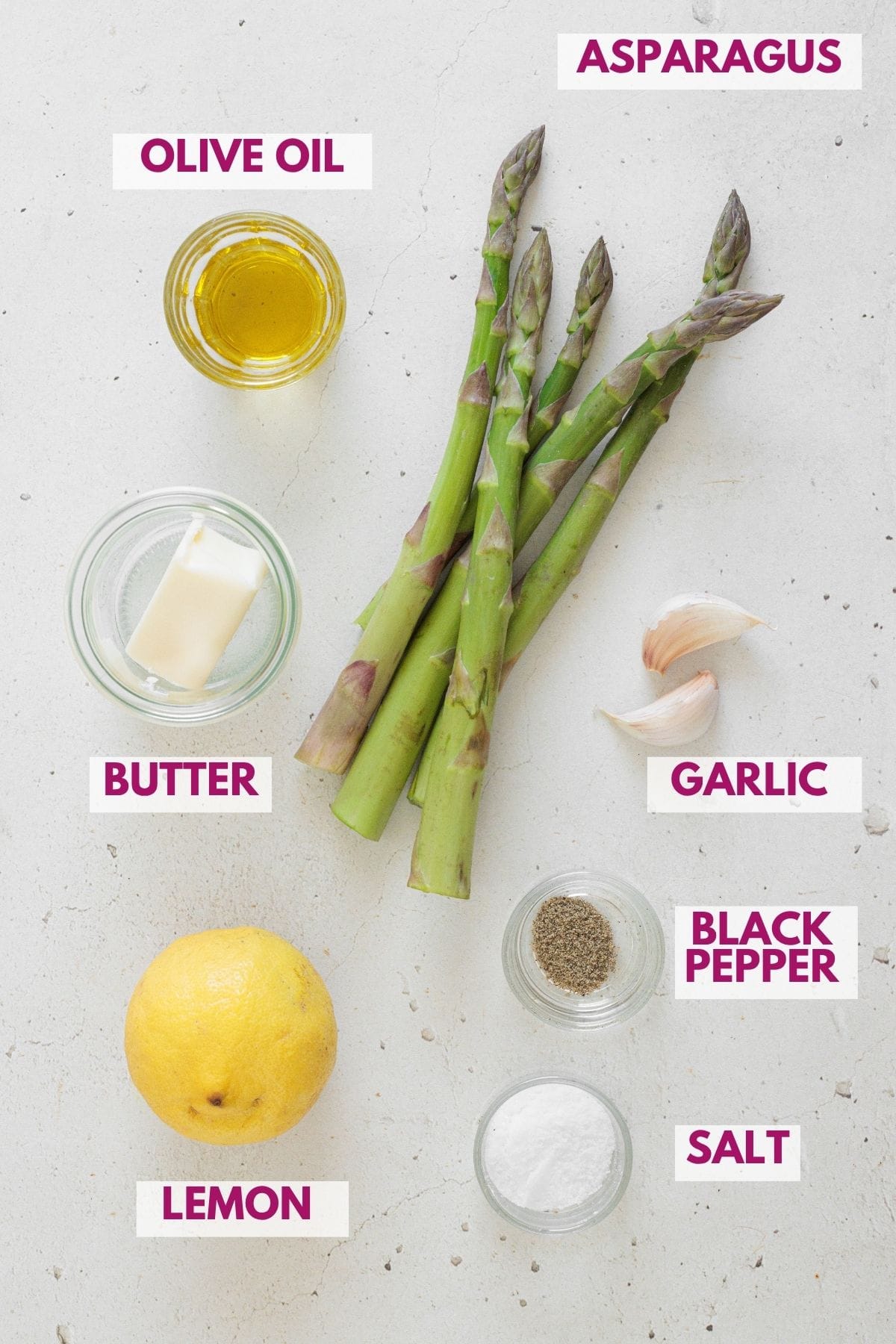
This recipe uses a short ingredient list, which means each one matters.
- Asparagus: Look for asparagus that feels firm with tips that are closed and fresh-looking. Thin to medium spears work especially well here because they cook quickly in the skillet.
- Olive oil: Helps the asparagus cook evenly and gives you a good base before the butter goes in.
- Salted butter: Adds richness and helps carry the garlic through the whole dish. Since the butter is salted, it’s smart to season the asparagus to taste at the end instead of adding too much salt too early.
- Fresh garlic: Fresh minced garlic gives the skillet a stronger, cleaner garlic flavor than garlic powder would here.
- Lemon juice: Added at the end, lemon juice brightens the asparagus and keeps the dish from tasting too heavy.
- Salt and black pepper: Use both to finish the dish and adjust them after the lemon goes in.
A Quick Look at How to Make Sautéed Asparagus
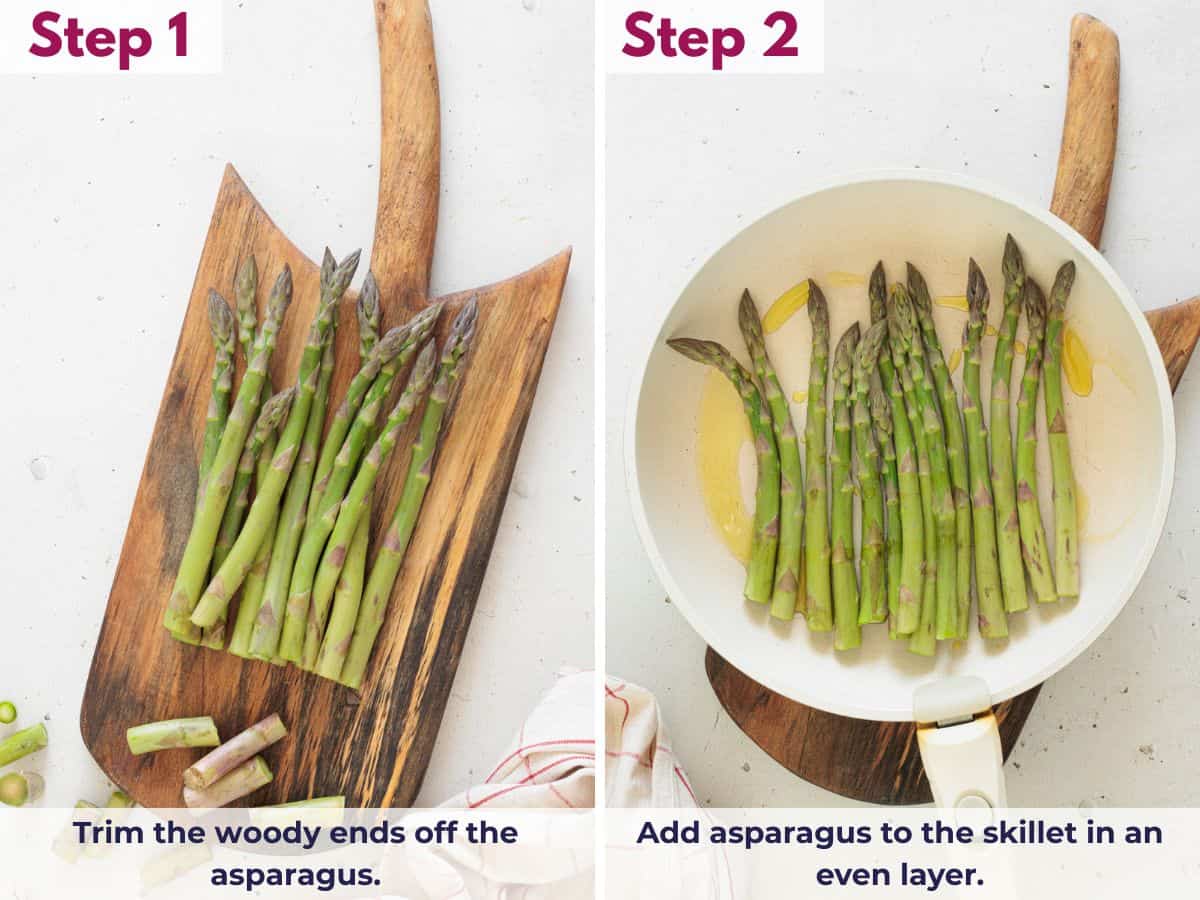
Use the step-by-step photos as your guide here. The method is simple: cook the asparagus in a hot skillet until it’s almost done, then finish it with butter, garlic, and lemon.
Start with trimmed, dry asparagus
Trim off the woody ends first, then dry the asparagus well. That helps it sauté in the skillet instead of steaming.
Cook the asparagus until bright green with a few browned spots
A large skillet works best because the asparagus has more room to cook in an even layer. You want the spears tender with a little bite, not soft all the way through.
SAVE THIS RECIPE
Add the butter and garlic near the end
Garlic cooks quickly, so adding it in the last minute keeps it from burning. The butter melts into the skillet and coats the asparagus without making it heavy.
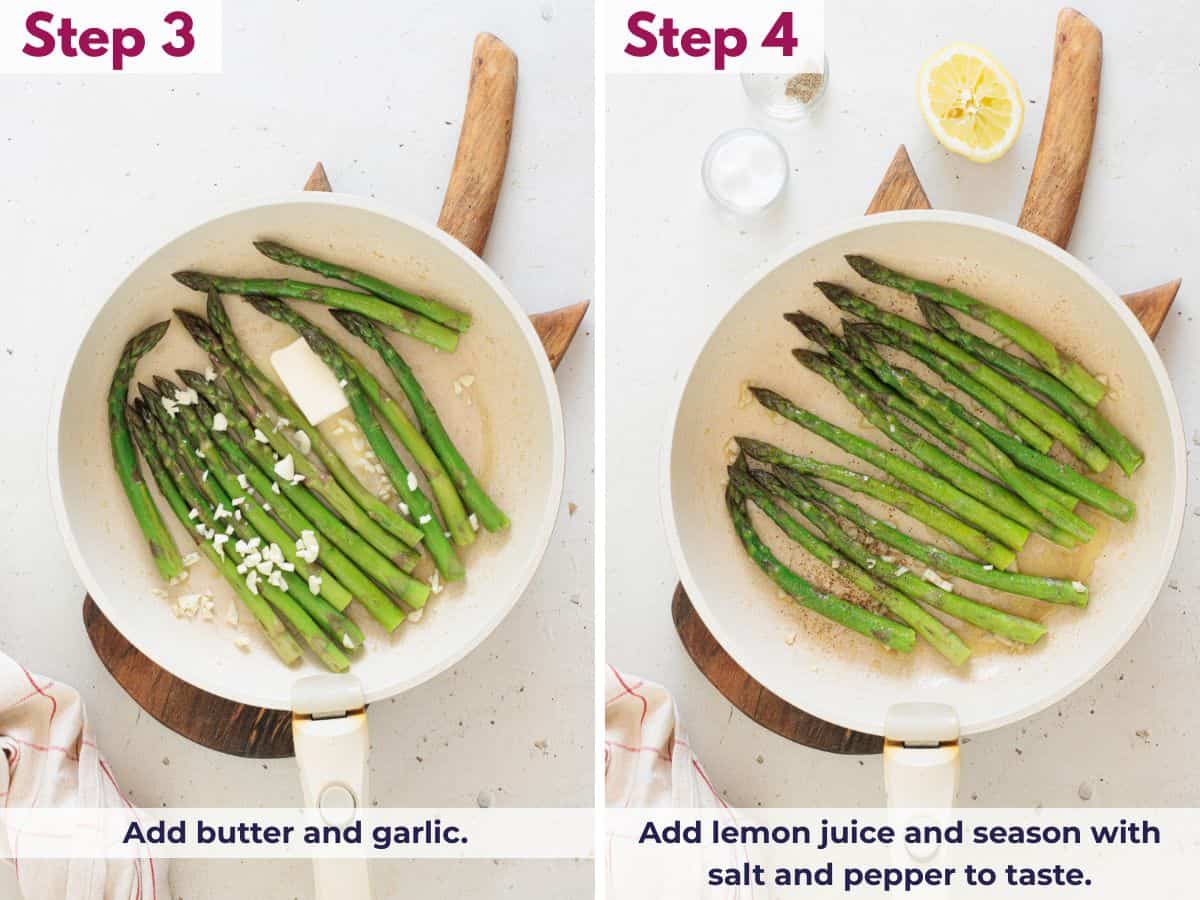
Finish with lemon and seasoning
Once the pan is off the heat, add the lemon juice and season to taste. That last step keeps the lemon fresh and bright instead of dulling it in the pan.
Tips for Better Sautéed Asparagus
- Trim the woody ends: This keeps the finished asparagus tender from end to end.
- Dry the asparagus well: Wet asparagus is more likely to steam than sauté.
- Use a large skillet: More space helps the asparagus brown a little instead of piling up in the pan.
- Choose similar-sized spears: They’ll cook more evenly, so you won’t end up with some too soft and others underdone.
- Cook over medium-high heat: That gives you the best chance of getting tender asparagus with a few browned spots.
- Stir occasionally, not constantly: Letting the asparagus sit for short stretches helps it pick up more color.
- Add the garlic near the end: Garlic can burn quickly, so it’s better added once the asparagus is nearly done.
- Take the skillet off the heat before adding lemon juice: This keeps the lemon flavor brighter.
- Do not overcook it: The asparagus should still have a little bite when you serve it.
Easy Swaps and Variations
- Use unsalted butter: That works well too. Just season the asparagus a little more at the end if needed.
- Add parmesan: A little grated parmesan at the end works well with the butter, garlic, and lemon.
- Add bacon: Asparagus with Bacon is a great choice when you want a version that feels a little heartier and more savory.
- Use another quick-cooking vegetable: sautéed green beans can work with a similar flavor direction, though the cook time may change.
- Make it fit the rest of dinner: If your main dish is richer, lean a little heavier on the lemon. If your dinner is simpler, a little extra butter works well here.
- Use another cooking method when it fits better: If the stovetop is busy, make Air Fryer Asparagus or Baked Asparagus instead.
What to Serve With Sautéed Asparagus
This is the kind of side dish that works best with mains that are simple, savory, or a little saucy.
- Peruvian Chicken: The bright asparagus works well next to the bold seasoning and green sauce.
- Garlic Butter Steak Bites: A great pairing when you want a quick dinner with a vegetable that keeps up with the buttery steak.
- Teriyaki Salmon: The lemon and garlic give the asparagus enough freshness to balance a sweeter salmon dish.
- Pan-Seared Halibut: A simple fish dinner and sautéed asparagus make an easy plate that still feels put together.
FAQs
Using both works especially well. Olive oil helps the asparagus cook evenly at the start, and butter adds more flavor near the end.
It usually takes about 5 minutes in a hot skillet, depending on the thickness of the spears. The asparagus should be bright green and tender with a little bite.
That usually happens when the asparagus is wet, the pan is crowded, or the heat is too low. Drying the asparagus well and using a large skillet help a lot.
Add it near the end. Garlic cooks quickly, so this keeps it from burning before the asparagus is ready.
Yes, and that’s exactly what this version does. The lemon juice goes in at the end so the flavor stays fresh.
Storage and Reheating
- Store: Store leftover sautéed asparagus in an airtight container in the refrigerator for up to 3 days.
- Reheat: Reheat quickly in a skillet over medium heat or in the microwave in short bursts. Just warm it through so it doesn’t overcook.
Sautéed Asparagus
Use DRDAVINAHS at checkout to save on some equipment & ingredients!
Ingredients
- 1 lb Asparagus, trimmed
- 1 tbsp Olive Oil
- 1 tbsp Butter, salted
- 2 cloves Garlic, minced
- 1/2 Lemon, juiced
- ½ tsp Natural Ancient Sea Salt, or to taste
- ¼ tsp Black Pepper, or to taste
Instructions
- Rinse, dry and trim the woody ends off of the asparagus.
- Heat olive oil in a large, wide skillet over medium-high heat
- Add asparagus to the skillet in an even layer
- Cook for 4 minutes & stir occasionally
- Add butter and garlic and cook for 1 more minute. The asparagus should be bright green with some blisters. Remove the asparagus from the heat
- Add lemon juice and season with salt and pepper to taste
SAVE THIS RECIPE
Recipe Notes
- Trim the tough ends: Cut or snap off the woody ends before cooking so the asparagus stays tender.
- Dry the asparagus well: After rinsing, pat the asparagus dry so it sautés instead of steaming in the skillet.
- Use a large skillet: A wide skillet helps the asparagus cook in a more even layer, which makes it easier to get tender stalks with a few browned spots.
- Choose similar-sized spears: Asparagus that is close in size will cook more evenly. Very thin spears may need less time, while thicker ones may need a little longer.
- Cook over medium-high heat: This helps the asparagus blister slightly and stay bright green without getting soggy.
- Stir occasionally, not constantly: Letting the asparagus sit for short stretches helps it brown a little instead of just softening.
- Add the garlic near the end: Garlic cooks fast, so adding it with the butter during the last minute helps keep it from burning.
- Take it off the heat before adding lemon juice: This keeps the lemon flavor fresh and bright.
- Do not overcook: The asparagus should be bright green and tender with a little bite. If cooked too long, it can turn soft.
- Season to taste before serving: After adding the lemon juice, taste and add more salt, pepper, or lemon juice if needed.
Nutrition Details
The nutrition facts come from entering the recipe ingredients into a database of food ingredients. They may vary for any recipe based on the exact product used.















Leave a Reply